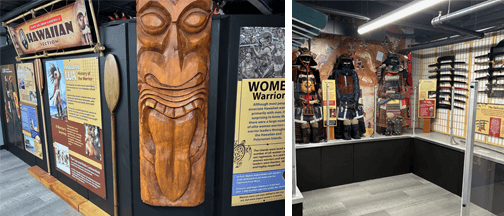
The Martial Arts History Museum, described as the only institution of its kind globally, has issued an urgent appeal for financial support to prevent the potential loss of irreplaceable cultural history. Located in Glendale, California, the museum serves as a vital repository for the stories, artifacts, and historical connections between art, history, and the diverse global cultures that shaped martial arts, with particular emphasis on the American narrative. Michael Matsuda, museum president and founder, emphasized the institution's unique role. "The Martial Arts History Museum is a story of those who came before. Those who paved the way and faced unimaginable suffering in a country that would not accept them for over a hundred years," Matsuda stated. He described the museum as more than a collection of artifacts; it is a living story preserving the sacrifices of early Asian immigrants who brought their traditions and martial arts to the West.
The museum argues that institutions like it are essential cornerstones of society, providing connections to past societies, iconic figures, and innovators. They serve to remind communities of their roots, measure progress, and inspire future paths. The current operational model relies on periodic community donations, creating a precarious financial situation that threatens its continued existence. The appeal targets a broad audience, including community members, philanthropists, business leaders, and martial arts enthusiasts. The museum highlights that without immediate support, this unique cultural treasure risks being lost forever. As a non-profit 501(c)(3) organization, it encourages those who value historical preservation to contribute. Further information about the institution is available at https://MAmuseum.com.
The call to action stresses that donations made before the end of 2025 are crucial. The museum frames support not merely as charity but as an investment in preserving humanity's connection to its past and ensuring that the sacrifices and contributions of countless individuals continue to educate and inspire future generations. The potential closure of this museum would represent more than the loss of a physical space; it would sever a critical link to understanding how martial arts evolved from ancient traditions into a global phenomenon, particularly through the lens of immigrant experiences in America. This institution uniquely documents the intersection of cultural exchange, perseverance, and artistic expression, offering insights into societal acceptance and the preservation of heritage against historical adversity. Its collections and narratives provide tangible connections to figures and movements that shaped both martial arts and broader cultural dialogues, making its preservation a matter of historical urgency for scholars, practitioners, and communities invested in multicultural heritage.